-
ALWAYS FOUND TIME TO DO THE RIGHT THING

Judge Judy Cone Bridges
Our Judge Judy was famous long before television’s Judge Judy was. She was famous for treating everyone with respect and dignity while performing her difficult but crucial job as a Family Court judge. Adoptions brought her the most joy as a judge and I brought her one that showed how she always found time to do the right thing.
We must have graduated law school about the same time as she was always a part of my career. I remember her being the first of our age group to bring her baby to a beach party my partner threw. She was first of our age group to be elected to be a judge, a Family Court judge. Some judges don the black robe and think its their job to play the grumpy law professor proving they’re smarter than everybody else, but not our Judge Judy. She believed it was her job to serve everyone who appeared before her; lawyers, clients, caseworkers, and witnesses alike.
I developed a relationship with a Petty Officer on a nuclear submarine stationed in Charleston who referred cases to me. Usually he referred seaman who needed representation but, this time, he referred me the wife of his submarine’s Captain. She had volunteered to be a foster parent for a deaf and blind female infant she never thought she would fall in love with her, but fall in love she did. And now she was terrified when her husband received orders to report to Naval Base Kitsap on the west coast in forty-five days, ten of which had already expired by the time she was referred to me. My legal secretary would often joke when people called asking if I was free by saying, “no but he’s reasonable.” Molly was wrong, for this deserving and desparate mother, I was free and I knew right where to turn to help her. I walked straight over to the Family Court and asked if I could see Judge Bridges in chambers.
If everything goes smoothly it normally takes a minimum of nine months for an adoption to work its way through the system, but things rarely go smoothly. You have to draft a petition alleging consent or statutory grounds to terminate the rights of the natural parents, serve it on everybody, and wait thirty days to see if anybody files a return objecting to the adoption. You have to have a Guardian ad Litem appointed to protect the rights of the infant. The Department of Social Services has to do a home study and file a report finding your client are fit and proper persons to adopt the child. If anyone does object, the adoption goes on the contested docket and it can take a year or more get a hearing. When I told Judge Judy what about my new client terrified of losing her precious baby, she never said she’d help, she never hesitated, she just got right to work making a miracle happen.
She picked up the phone and got the DSS Supervisor on the phone. The supervisor was familiar with the case and eager to help. The supervisor explained the parental rights of the infant’s mother and father had already been terminated and DSS had sole custody of the baby which would certainly help speed things up. She would accept service of an adoption petition and have the DSS attorney file a return to the Petition within twenty-four hours. Judge Bridges asked how long it would take to do a home study, but the supervisor said she wasn’t sure. When the supervisor offered to find out, Judge Bridges asked for the name of the caseworker who did home studies and said she’d call herself. She buzzed for her secretary to bring her calendar into her office and to get the home study caseworker on the phone.
I spent the few minutes we had waiting to describe the indescribable bond I observed between my client and the child. Indescribable in words because they had what appeared to be a unique tactile way of communicating. You could almost see them talking to each other by the way the mother cradled the baby and the way the baby squirmed in her arms. Judge Bridges’s face lit up with a great big smile as I described what I’d seen.
About that time, her phone rang, and it was the home study caseworker. She said she was backlogged more than four months, but, when, Judge Bridges explained the situation, the caseworker readily agreed to do the study on her own time. By that time, the secretary came into chambers with the judge’s calendar and was saying she was booked up through the end of the next month. She also reminded Judge Bridges everybody was waiting in the courtroom for her ten o’clock hearing, fifteen minutes ago. Tell them I’ll be right there she said to her secretary and turned to me saying, don’t worry, I’ll have a cancelation, I just know it, if not, I’ll schedule your adoption for eight o’clock one morning if that’s what it takes. I’d taken up too much of her time before she said she had to run, I had to get to work drafting and filing the adoption petition to get the ball rolling, and she’d take care of the rest.
I had the petition filed and hand delivered that afternoon. True to her word the supervisor accepted service and her lawyer filed an answer consenting to the adoption the very next day. I called my client to tell her about the home study and she said she’d already spoken with the case worker who was coming over that weekend. The following Monday a report was recieved finding the mother and her Naval captain husband were fit and proper parents and it would be in the infant’s best interest for the adoption to be granted.
As a lawyer I often felt there was a Higher Hand guiding things and this was one of those times. As fate would have it, Judge Bridges called saying one of her contested cases had settled opening a time slot on her calendar. She asked if I could I have my clients in her courtroom ten o’clock Thursday. I told her, since she’d done the impossible, the least I could do is have my clients there. Word spread what we were doing, and Judge Bridges’ courtroom was packed when the time of the hearing came around. In addition to myself, there was the mother clutching her baby seated next to her husband in his dress whites, the DSS supervisor, foster care caseworker, and home study caseworker, the Guardian ad Litem, the court reporter, sheriff’s security officer, court clerk, and even the judge’s secretary all crammed into her small courtroom.
Judge Bridges called the case and, not waiting on me, began calling witnesses herself, one by one putting their glowing testimony and consent to the adoption on the record. She entered the home study and Guardian ad Litem’s written reports into the record without objection. Her smile grew as she got closer and closer to calling the mother to the witness stand. When the time came, she invited her to bring her peacefully sleeping infant with her. There was no legalese in her questions to the mother, just one mother speaking to another in the universal language of mothers . The mother’s description of falling in love with her little girl brought actual tears to people’s eyes, even the hardened Sheriff’s deputy. Judge Bridges asked how she’d manage the infant with her husband’ away on deployments and the mother said the same way she already had with the support of her husband, her Navy family, and the amazing benefits his being an officer in the U.S. Navy provided. Then it came time for the husband. He testified how distraught his wife had been thinking she could lose their precious baby girl and how grateful his wife and he were for everything everyone had done to make this adoption possible.
In accordance with the time-honored maxim of trial advocacy, si fractum non est, non figere, if it ain’t broke, don’t fix it, I had nothing to add when asked and finally it was Judge Bridges turn to talk. She found the adoption was in the child’s best interest and thanked us, with heart felt sincerity, for making it possible for her to approve the adoption in world record time. She acknowledged it took all of us, working together, to pull off a miracle finding a permanent home for a very special child. Everybody in the courtroom that day felt God’s hand at work and felt pround of their part in it. There’s an old Jewish saying, God made mothers so he wouldn’t have to be everywhere all the time. He, we, all of us together made this remarkable, giving, and loving mother the happiest mother ever to walk out of a Family Court courtroom.
I freely admit my trial skills had very little to do with the outcome of this case. It certainly wasn’t my legal research skills, nor my elequence, that won the case. It was my knowing who and where to turn for help. I turned to Judge Bridges who made the impossible possible for a very deserving client by completing an adoption in less than 30 days before her husband shipped out of Charleston. I’ll take credit, even if just for being smart enough to know who to turn to for help.
-
Practicing Being Indignant
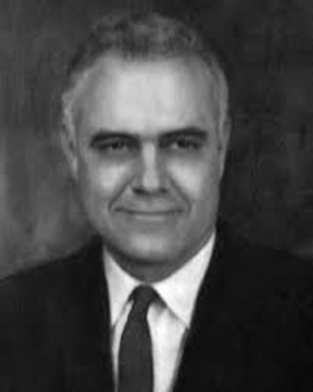
Senator T. Allen Legare
I first met Bobby Howe on the second day of the South Carolina bar exam in 1975. The tension in the air was palpable during the mid-day break when Bobby, a complete stranger, ran up to me and said, “If only I knew the difference between a garageman’s lien and a modis operandi, I’d have this bar exam licked.” I busted up laughing and we became instant friends. Little did I know then Bobby would later become the only client I ever had to be featured in The National Enquirer magazine. When Bobby once introduced me to Judge Ralph King Anderson as his lawyer, the Judge replied in an ominous voice, “that must be a gargantuan task.” And it certainly was but thankfully, I didn’t have to do iot alone. Bobby’s father, Gedney M. Howe, Sr., asked his dear friend and fellow lawyer, Senator T. Allen Legare, to watch out for Bobby after he was gone and I couldn’t have asked for a better co-counsel.
T. Allen Legare was always a fighter. He won the Southern Conference Boxing Championship in 1939. During World War II he parachuted behind enemy lines to blow up bridges and train tracks with the French resistance. I once asked how he could fool Germans with his heavy Charleston accent and he seriously replied, “There wasn’t any talking to Germans, we killed any of them unlucky enough to cross our path.” He graduated from USC Law School in 1941 and was a fixture on Broad Street for 69 years. He was Charleston’s State Senator and was instrumental in creating the South Carolina Port Authority making Charleston one of the main east coast ports. Even on the hottest days, young Broad Street lawyers knew better than to be caught by Senator Legare not wearing a tie and jacket on the street. He was the epitome of a Broad Street lawyer perfectly melding politics and the law.
One day, walking to the courthouse I ran into him with one hand on top of a parking meter and the other flailing furiously in the air. I asked, “Senator, are you okay?” He smiled and said he was on his way to a court hearing and was practicing being indignant. Semi-retired when I first worked with him, he would still come into his law office every day to read South Carolina’s major newspapers and answer correspondence. He fittingly lived below Broad in a beautifully renovated home on Legare Street and threw a yearly Frogmore Stew party for lawyers and judges on his Wadmalaw Island plantation. I never dreamed I’d get to work with him, but I did in two high profile cases both involving Bobby Howe.
The first case, my only case that made it into the National Enquirer, occurred when Bobby was caught digging up the backyard of an arrested Hilton Head Island drug smuggler looking for a 120-quart fishing cooler full of cash. Bobby had asked the prosecuting U.S Attorney if his client could receive a downward departure under the Federal Sentencing Guidelines for turning in a huge sum of money (presumably the contents of the cooler less Bobby’s fee) and had been told he could before Bobby set foot on the client’s property. The problem was the property had been seized by the Federal government as the fruit of the client’s lucrative smuggling business. When Bobby’s face appeared on the evening news and in the newspapers, Senator Legare reached out to me to offer his help.
I told Senator Legare I had Bobby checked into an out of state rehabilitation facility and he offered to persuade his friend, United States District Court Judge Sol Blatt, who also boxed for USC in the Southern Conference, to continue the case until Bobby could finish treatment. But nothing was ever easy about representing Bobby, and he stumbled over the first step of the facility’s twelve-step rehabilitation program. Instead of admitting his helplessness to overcome his addiction, Bobby told his counselor he was just hiding out until the heat died down back home in Charleston. Apparently this was deemed disruptive and the director of the facility was threatening to toss Bobby out of the program. I dreaded having to tell Senator Legare and, when I did, I thought the phone lines would melt between our offices. I was instructed in no uncertain terms I was to keep Bobby in the treatment facility. It was a test I needed to pass to earn Senator Legare’s respect and, believe me, it took everything I had to convince the director to at least give Bobby a mental health examination before discharging him. Thankfully, Bobby scored so far off the charts for a bi-polar disorder, he was transferred from the Addictive Disease to the Mental Health unit.
I thought the problem keeping Bobby in the facility had been solved but they were just the beginning. The first morning in his new unit, Bobby cracked to his new group, “Yesterday I was across the hall in addictive diseases, today I’m over here with you guys in mental health. I feel like I’m getting better already.” Apparently, getting laughs in group therapy is also considered disruptive. So is getting caught having sex with another inmate in the storage closet, getting caught unaccompanied in restricted areas, and also finagling a prized eggshell mattress cover from an orderly. They don’t teach classes in law school on how to keep crazy clients in rehab so you just have wing it. Fortunately, Bobby made friends with his psychiatrist and together his psychiatrist and I kept Bobby in the program. Loaded up with enough psychotropic medications to choke a horse, Bobby was finally discharged to face the music before Judge Blatt.
Judge Blatt was one of the finest jurists it was ever my privilege to appear before, but he was strict, especially in drug cases. Fortunately, he was also fond of Bobby who practiced law by a different set of rules. One of which was, if you can get the judge to laugh, he can’t send your client to jail. Most of what judges do everyday is anything but fun and a good laugh is always a welcome distraction. Bobby sure knew how to make Judge Blatt laugh but I doubted it was going to enough to save him from Judge Blatt’s wrath. Fortunately, as fond of Bobby as the judge was, he truly loved and respected Senator Legare. You could see the anguish on Judge Blatt’s face when Bobby appeared before him represented by Senator Legare.
The practice of law and politics was always personal to Senator Legare. A man’s word and loyalty to his friends meant everything to him. Before Senator Legare started speaking at Bobby’s guilty plea, I was felt certain Judge Blatt had made up his mind he needed to make an example out of Bobby. Senator Legare began, not with what Bobby had done, but at the bedside of Bobby’s father, Gedney M. Howe, Sr., also a renown Broad Street lawyer and also a dear friend of Judge Blatt. Senator Legare choked up with emotion describing how Big G on his deathbed grabbed his hand and made him swear he would look out for Bobby after he was gone. His vow to their mutual friend cut straight through to the judge’s heart while at the same time put the judge in an impossible position. Not one to ever do that to a friend, Senator Legare, seamlessly switched and began giving Judge Blatt a graceful way out. Senator Legare pointed out Bobby never found the cooler and never took anything, never lied about or tried to conceal what he’d done, and, misguided as it may have been, thought he was helping his client get a downward departure. More rthan that, Bobby had accepted responsibility and sought needed help by voluntarily entering a treatment program where he was diagnosed as being bi-polar and given needed medication. Judge Blatt couldn’t help but see the flashing yellow arrow to the exit ramp Senator Legare plowed for him and readily headed in that direction. So, he’s been discharged from the hospital? Yes, sir, he has but he remains under active medical treatment and supervision. And I can make it a condition of any sentence I might impose that he’ll continue such treatment and monitoring to make sure he continues to get help? Yes, sir, absolutely and your Honor knows I will continue to honor his father’s dying wish. Judge Blatt’s sentence of two years’ probation, with continued treatment and medication, but no referral for disciplinary action, was more than either Senator Legare or I could have hoped for.
A great result but it turned out keeping Bobby on probation wasn’t any easier than keeping him in the rehabilitation facility and it wasn’t long before Bobby got himself embroiled in another newsworthy spectacle. A young female law clerk working for Bobby’s brother alleged Bobby and a Circuit Court Judge Bobby’s brother wanted removed from the bench offered her cocaine in the bathroom at a party hosted by the Deputy Solicitor. Bobby flatly denied the allegation quipping, “I may be crazy, but I’m not stupid.” The Senate Judiciary Committee decided it needed to hold a hearings and issued a subpoena for Bobby’s appearance. While I advised Bobby needed to bide his time in an unknown location, I reached out to Senator Legare for his help a second time.
I delicately explained to Senator Legare Bobby there was no truth to this young lady’s allegation, but I was reluctant to open Bobby up to questioning under oath by the committee. Senator Legare asked how I proposed we allow Bobby to testify but limit the questions he could be asked? I explained Bobby would answer any question about the alleged incident without limitation, but asking him questions about other, unrelated matters would invade Bobby’s right to privacy, jeopardize his probation, and possibly affect his ability to continue to practice law. The argument was about as nuanced as a legal argument can be but Senator Legare, even in his mid-eighties, had a sharp legal mind. He loved our lengthly conversation about the right of privacy not being included in the Constitution’s Bill of Rights but being recognized by Justice William O. Douglas as being necessarily implied by the penumbra of the rights expressly guaranteed.
With Bobby in the back seat, I picked up Senator Legare and we set off driving to Columbia to meet with Senator Smith, Chairman of the Judiciary Committee. As good a lawyer as I might fancy myself to be, I fully acknowledge I never would have gotten a meeting with Senator Smith if it wasn’t for Senator Legare. We were greeted by Senator Smith like long lost friends which I sure the senators were. They exchanged handshakes and pleasantries before Senator Smith sat behind his desk and asked what he could for Senator Legare. Senator Legare got right to the point and got the same response from Senator Smith that I got from him when I suggested Bobby’s sworn testimonby could be restricted. Senator Smith asked skeptically, “Now Allen just how am I supposed to do that?” Senator Legare launched into such an impassioned argument for the right of privacy you’d have thought he’d discovered the right all by himself. Still Senator Smith was non-committal and said he’d have to speak with the other committee members. Senator Legare got up abruptly and turned to leave but stopped, turned back to the senator and barked, “If your brother was still alive, we wouldn’t even be having this conversation.” I have no idea what Senator Legare was referring to, but I could see it made a deep impression on the senator.
Still not knowing whether to risk allowing Bobby to testify, we decided to wait and see how things developed in the hearing. Senator Smith was the last to enter the chamber and take his seat. He began the hearing with an admonition to the other committee members he was not going to allow the hearing to become a circus and was going to limit all questioning strictly to the matters at hand to preserve the witnesses’ rights of privacy. Senator Legare nodded all would be okay and Bobby was sworn in as a witness. Bobby absolutely, unequivocally, and in no uncertain terms denied the allegation. In true Bobby fashion in no time he had the committee members laughing about the absurdity of thinking a sitting circuit court judge would be snorting cocaine with some unknown girl in the Deputy Solicitor’s bathroom.
Too many lawyers get to thinking too much of themselves. That only they can win a case. When I think back over my career, I think of all the great lawyers it has been my privilege to work and try cases with. Lawyers who helped me win way more cases then I ever would have won on my own. T. Allen Legare was one of the finest lawyers I have ever known and worked with. The epitome of a true southern gentleman. He honored a commitment he made to Bobby’s father and helped me win two high profile cases I couldn’t have won without him. All he ever asked in return was my respect, loyalty, and friendship all of which were gladly given.
-
My Della
Molly Pratt
Some lawyers and law firms treat their staff like automatons expected to do only what they’re told. The truth is, every great lawyer I have ever known, has had a dedicated staff working, not for, but with them. Molly was mine; she was my Della to my Perry. She was referred to me by a lawyer I admired, Coming Ball Gibbs, when he heard I was looking for a new legal secretary. Years later he confided, when I thought I was interviewing Molly for the job, she was actually interviewing me. Luckily, I passed muster and we worked together for so many years I’ve lost track, twenty-eight by my reckoning.
Over those years Molly became so much more than my legal secretary. She became my administrative assistant, my paralegal, office manager, co-counsel, editor, accountant, therapist, confidant, life coach, and, most important of all, my friend. Our lives became so entangled, there is simply no way to separate my career from our career together. So much so trying to pick a story to illustrate what she meant to me and my practice was almost impossible but I think this story of the arson case she solved for me comes closest.
Although it was never part of Molly’s job description to review the evidence in my cases, she made up her own job description and always did whatever she thought needed doing. I soon got used to it and learned to appreciate how her keen eyes often saw things that slipped my attention.
I was hired to defend a guy accused of burning his house down for the insurance money. A racial slur painted on the house before the fire motivated SLED to get involved but right from the start SLED focused more on my client starting the fire rather than it being racially motivated. SLED sent in its crack Special Agent and his team of forensic arson investigators. And, they were thorough, so thorough they buried me under a mountain of evidence the Special Agent claimed proved my client’s guilt beyond a reasonable doubt.
It wasn’t hard to get the gist of SLED’s case against my client from the official report of its arson investigation. The racial slur was a ruse spray painted by my client to conceal the real motive for the fire, good old-fashioned greed. Chemical testing and analysis proved the gasoline fueled fire was deliberately set. My client’s gas can, covered in his, and only his, fingerprints, that had been left in the hallway had miraculously survived the inferno. But still the evidence tying my client to the fire was circumstantial. The real evidence I was told was contained in the banker boxes filled with business and bank records allegedly showing my client’s industrial maintenance company was going bankrupt, hundreds of photographs of the burnt-out house allegedly showing valuable property had been removed before the fire, and a box of indecipherable cell phone tower data from the tower near the house that my client’s cell phone pinged off of during the fire. A prosecutorial tri-fecta: motive, intent, and opportunity.
It really didn’t help that my client had ready answers for almost everything. The property was located a good way out in the country, north of the Santee Cooper Lakes, in the Francis Marion National Forrest. My client said he and his wife planned to live out in the country full time, with my client commuting to work and his wife pursuing her passion for breeding dogs, but they were still renovating the house and hadn’t fully moved in yet explaining the relatively empty closets and dresser drawers. Although my client couldn’t recall any explicit racial threats or incidents, he was more than willing to tell me all about how he felt unwelcome in the otherwise white community. He admitted his business was having difficulties but claimed that was nothing out of the ordinary. It had happened before and all it would take was one good contract to get back on his feet just like he’d done many times before. But the problem from a lawyer’s perspective of having to explain too many things away in a courtroom is too many excuses raise suspicions in jurors’ minds, suspicions a skilled adversary can easily exploit. And, like I said, he had excuses for almost everything but not everything. Like why his cell phone pinged off the cell tower near the burning house he said he wasn’t anywhere near. The only good news, as I saw it, was the way the Special Agent dumped the boxes of evidence on me suggested he was trying to hide something and all I’d have to do was methodically go through the evidence piece by piece until I found the exculpatory needle in the haystack. Fortunately, Molly offered to help review, organize, and label all the photographs.
Something that endeared Molly to me and everybody who knew her was the way, when she heard a good joke, was surprised by someone or something, or really whenever something tickled her in just the right way, she’d let out an unmistakable snort. It sometimes took people by surprise the first time they heard it, but Molly’s good-natured acceptance of her own foible quickly put everyone to ease. That’s what I heard when she was going through the photographs, that unmistakable snort from her desk, and I knew instantly she’d found something.
I waited and soon enough she stuck her head in my office to ask if I had a moment. Of course, I told her, and she entered handing me a photograph with a look of pride on her face. I looked at the photo but only saw a pair of slightly singed women’s high heeled shoes. I must have had a quizzical look on my face because she let out an exasperated sigh, and said, “Oh, my dear boy, those are not just any old high heeled shoes, those are Manolo Blahnik high heeled shoes.” She waited for the light to go off and, when it didn’t, she explained the significance of the shoes to me. “You know how the SLED investigator said valuables had been removed from the house before the fire? Well, he’s full of shit,” Molly said putting it delicately. “If you’d watched the TV show, Sex in the City, you’d know those are coveted Manolo Blahnik high heeled shoes that retail for nothing less than a thousand dollars. No woman, and I mean no woman, would ever leave a pair of Manolo Blahnik high heeled shoes in her closet to be burnt up in a fire.”
The light did go off and I immediately saw how the photograph would make it seem SLED’s Special Agent must have ridden the short bus to agent school but the lawyer in me also knew the prosecutor could easily suggest my client, who was the person accused of the arson, was every bit as ignorant about his wife’s shoes as I was. Fortunately, like I said, Molly and I worked together, the operative word being worked, and we got to it.
Molly was on to something and so we both dug in. If the Special Agent could make such a glaring mistake about thousand-dollar shoes, what other mistakes had he made? We went back over the photographs one by one and soon discovered item after item of valuable property that had been left behind in the fire. Molly quipped how hard it was to pick things out of SLED’s photographs of the burned-out wreckage and asked if we had any photographs of the house before the fire. The client’s wife remembered they’d spent Christmas about a month before the fire and she had an undeveloped roll of film taken Christmas morning.
Armed with the new photographs, we could trace everything shown in the Christmas morning photographs to the burned-out rubble on the floor shown in SLED’s photographs. Large, flat screen tv, shown hanging on the living room wall Christmas morning was still there all burnt up in the rubble on the floor. We hadn’t found a smoking gun proving my client’s innocence, but we’d found the death by a thousand cuts of the prosecutor’s case. Remember what I said about having too many explanations being the kiss of death? It applies to prosecution witnesses as well. After the Special Agent tried but failed, repeatedly, to explain away the obvious truth, he was forced to admit his expert opinion valuable property had been removed before the fire was, well, as Molly put it, full of shit.
But what about that pinging cell phone data? The prosecutor saved the cell phone technician for his last witness, thinking he’d finish strong but, by the time he called the technician it was too late. The young cell phone technician lacked the Special Agent’s practiced experience giving canned testimony and readily admitted how much he didn’t know. Like exactly how far did the signal of the oversized tower in National Forrest near the house reach? “I don’t know” answers to carefully worded questions are the stuff reasonable doubt is made of, and the technician was glad to oblige. In the end nobody, not even the technician, was sure why my client’s phone pinged off the tower.
Having made my defense through the prosecution’s witnesses, I elected not to call any witnesses and thereby secured the last argument. I made the most of it knowing the prosecutor wouldn’t get a chance to respond. It’s always a good idea to tell the jury whenever somebody gives you a good jury argument, it makes the argument sound less lawyerly and more common sense not to mention a little humility goes a long way in the courtroom. I gave Molly the credit she was due and told the jury, “Now, I admit I know next to nothing about women’s high heeled shoes, but thank God, my secretary Molly does. She’s not only an authority on women’s high heel shoes but also on a TV show called Sex in the City. She says she watched every episode and knew right off the shoes shown in the Special Agent’s photographs of the defendant’s bedroom closet were Manolo Blahnik. She knew because they were featured on the show as a recurring theme episode after episode. Coveted because they cost upwards of a thousand dollars a pair. No wonder Molly says no woman in their right mind would ever leave a pair of Manolo Blahnik high heeled shoes behind to burn up in a house fire.” I also knew I had a not guilty verdict as soon I saw every woman on the jury nod in agreement. Since I had the last argument, the prosecutor couldn’t respond.
But this isn’t a story about a trial victory in an arson case, it’s a story about how important my relationship with Molly was to me and my practice. She not only lifted me up being my biggest cheerleader, she was also the anchor that tethered me most securely to the ground. Her intelligence and wit were as much a part of my success as my own. And, to top it off, her good nature made practicing law fun. The point of this story is, if I only expected my staff to do what I told them to do, I’d have missed out on everything Molly offered to take my practice to the next level. Next time, instead of asking your staff for a cup of coffee, ask them to sit down and drink a cup with you, ask them how they’re doing, for their opinions about the work you’re doing, and how they can help. You may find your practice excelling when your staff starts working with, not for you.
-
ZE ZE ZELLAZORROW
Lawyers like to brag about their criminal not guilty or personal injury million-dollar verdicts but sometimes satisfaction practicing law comes from handling seemingly ordinary matters. It fell to me as the youngest associate in the firm to handle a request for a name change made by a senior partner’s client about to receive a large PI settlement. He wanted to change his name from Rochester Pressley to Ze Ze Zellazorro to better reflect his Puerto Rican heritage. Never having done a name change, all I had to figure out how to do one and, fortunately, it turned out to be pretty straight forward. All I had to do was just draft a petition to the then County Court, attach an affidavit the client had no criminal convictions, bankruptcies, or outstanding judgments, wasn’t seeking to avoid creditors, publish a notice in the local paper, and draft a proposed order for the judge to sign. Piece of cake, or so I thought. The case was assigned to the Honorable Lester Legare Bates of the Richland County Court usually a most friendly judge. It turned out, however, Judge Bates had trouble wraping his brain around the name Ze Ze Zellazorro or anyone wanting to better reflect their Puerto Rican heritage.
I was anticipating just a routine hearing. Hearings like this were conducted informally in the judge’s chambers and always began with Judge Bates asking, “What can I do for you, my boy?” I sensed something was amiss when I didn’t get a “my boy” at the beginning of the hearing. And things went downhill from there. To put it simply the judge felt I was wasting his time. He began to pick apart my petition. “How do you know your client doesn’t have any criminal record?” “Well, your Honor,’ I stammered, “He said he didn’t have one and his SLED record check came back clean.” A muffled harumph was all that got me from the judger. “What is the meaning of this ‘Ze Ze Zellazorro,’” the judge growled, “Is it some stage name he wants to use?” “No, your Honor, his parents migrated to the United States from Puerto Rico back in the 1960”s and his father changed their name to Pressley to better fit in. My client simply wants to go back to his family’s original name, Zellazorro.” Apparently not satisfied, the judge asked his clerk, Mr. Chitwood, to swear my client in and began questioning him in a gruff and demeaning manner.
Things got testy when the judge indicated he thought my client wasn’t an American citizen and seemed genuinely confused when I told him Puerto Ricans were granted American citizenship by the Jones-Shafroth Act in 1917. The judge went allegation by allegation through my petition demanding sworn verification of everything. My client stood his ground and directly answered each question. I could see the judge’s complexion darkening with each affirmative answer. I guess he expected the sneer in his voice would intimidate my client and get him admit some falsity in his answers. You could sense the judge’s frustration mounting when it never happened.
Exasperated, he asked if I had any questions. I thanked the judge although I was unsure what for, and asked my client about his service in the Army and two tours of duty in Vietnam. The judge’s attitude immediately changed. He cut me short and, with a great flourish, signed my proposed name change order. “Here you go, my boy, anything else I can do for you?”
“What just happened?” the newly named Ze Ze asked as soon as we were outside of the courthouse. “I thought you said it was just gonna be in and out, no big deal.” “I have no idea, I guess the judge took offense to something, but I don’t really know,” I replied. Ze Ze thought for a moment before saying, “I do. I’ve faced such discrimination all my life. It’s part of the reason I wanted to change my name, because I’m proud of my heritage. I want to thank you for sticking with me and not backing down.” It may have been a miniscule victory in the long struggle for civil rights in Americsa, but it meant a lot to me because it meant a lot to my client.
It had to be a year or so later when the receptionist buzzed saying there was a call for me from a Rochester Pressley. I picked the phone and asked, “Ze Ze?” He laughed and said, “I didn’t think you’d remember.”
-
AN UNEXPECTED CAREER PATH
I studied business as an undergraduate and went to law school thinking I’d become the lawyer for my father’s corporation but then married a girl from Charleston and found myself living in Columbia while she attended law school. Practicing criminal law was the farthest thing from my mind when my father-in-law helped me land a job as an associate with Senator Isadore E. Lourie’s law firm in Columbia.
I don’t think the ink was dry on my first paycheck when Jack B. Swerling, a partner in the firm, was appointed to represent Wendell Moye in a death penalty murder case. Moye and a co-defendant shot and killed an employee during the robbery of a TransSouth Finance office in downtown Columbia. South Carolina had reinstated the death penalty in 1974 and the new statute allowed for vior dire or the questioning of prospective jurors. Problem was no South Carolina lawyers had any experience with vior dire as the practice wasn’t allowed in other criminal cases. The practice is so fraught with risk, the lawyers appointed to the previous death penalty case, a case involving a minor accused of capital murder, decided to try their death penalty case non-jury hoping the judge would impose a life sentence. They were wrong and the judge sentenced the minor defendant to death.
I certainly never expected to be involved in a death penalty murder case right out the blocks. I didn’t know anything about the real practice of criminal law but was immediately impressed by the response of the criminal defense bar to Jack’s appointment. They freely offered their time and advice. It was based on the advice of Kermit King and Walter Brooks, the two excellent criminal defense lawyers who tired the minor’s death penalty case non-jury, Jack and his co-counsel, Gaston Fairey, decided they had to request a jury trial in their case. Never having done vior dire before, they asked legendary criminal defense lawyer, Millard Farmer, from the Southern Poverty Law Center, to help teach them how to conduct voir dire in a death penalty case. Like the local criminal defense bar, Millard Farmer and other lawyers with the Southern Poverty Law Center volunteered to come to Columbia at their own expense to offer help and advice.
I sat in on the meeting wide-eyed as they taught that qualifying jurors during the vior dire process predisposes the jury to impose the death penalty right from the start. Any juror who says they can’t impose the death penalty on religious or moral grounds is stricken from the jury pool for cause. The rest, more often than not, are gung ho to execute the defendant. During the meeting they handed over two large notebooks on jury selection in death penalty cases and I was assigned to review and summarize the cases to help prepare for vior dire and jury selection.
When jury selection began I was surprised how easy it was for Solicitor Jim Anders to get prospective jurors he didn’t like to testify they were opposed to the death penalty. He’d start by asking whether the prospective juror attended church. From there whether they believed in the supremacy of God’s law including the commandment “thou shalt not kill.” And finally, to get them to admit they couldn’t impose the death penalty based on their religious beliefs. Not surprisingly a good number of the jurors who fell into this category were of African decent. Jack Swerling had the task of rehabilitating those jurors to keep them from being stricken from the venire for cause.
Jack was a big man who had a commanding presence in the courtroom, but he also had a surprisingly light touch. He rehabilitated jurors by walking them through the multiple step process required under the death penalty statute before the death penalty could be imposed. First, a defendant would have to be unanimously found guilty beyond a reasonable doubt of the unlawful killing of another being with malice aforethought. But Jack explained the intentional killing with malice aforethought wasn’t enough and, before the death penalty could be imposed, those same jurors would have to unanimously find beyond a reasonable doubt the murder was aggravated. The State would have to prove again beyond a reasonable doubt the murder was aggravated such as it occurred during the commission of a felony, the defendant had previously been convicted of murder, the murder involved torture, multiple people were murdered, or it was the murder of a police officer or a child. By precisely defining the kinds of murder required in order to impose the death penalty, Jack put the minds of many prospective jurors at ease. Then Jack explained that even if the jury unanimously found the defendant committed a premeditated, aggravated murder, they would also hear mitigating evidence and would not have to impose the death penalty. By explaining the process in greater detail, Jack gave the jurors the courage to say they could do their duty and follow the law despite their personal moral nor religious beliefs. Jack Swerling’s vior dire was so masterful, after exhausting all his preemptory challenges striking Jack’s rehabilitated jurors, Solicitor Anders was stuck with a jury morally opposed to the death penalty. He gave up and accepted a plea for life in prison.
The plea for a life sentence in the Moye case was a victory and a good story in its own right but that’s not the end of the story. The law-and-order mayor of Columbia , Kirkland Finlay, himself a lawyer, decided to make political hay out of tax dollars having been spent on the lawyers who kept Moye out of the electric chair. Much to his chagrin his political grandstanding got him appointed to the very next death penalty case. Findlay bitterly complained he weas a real estate lawyer and unqualified to serve. The Columbia criminal defense bar agreed, so they got together and requested he be removed from the case to prevent an obvious miscarriage of justice. Jack Swerling, who knew full well the sacrifice required, volunteered to represent the defendant in his place. When the Court agreed and appointed Jack, Solicitor Anders was forced to accept another guilty plea for life to avoid being embarrassed again.
I don’t think I’d finished my first year as a lawyer and the lawyer I was working for had won two death penalty cases back-to-back. I don’t think even Clarence Darrow could claim such a record. Impressive, but what impressed me most, and what I most admired was the willingness of criminal defense lawyers like Jack Swerling, Gaston Fairey, Kermit King, Walter Brooks, Millard Farmer, the lawyers from the Southern Poverty Law Center to stand up for justice at great personal sacrifice.
I spent the next five years traveling around the State of South Carolina trying criminal cases with Jack Swerling. During this time I served my first term on the Board of the South Carolina Trial Lawyers Association and was priviledged to hear, Gerry Spence, from Wyoming talk about his volunteering to represent the minor defendant in Kermit King’s and Walter Brooks’ death penalty case being argued on appeal. My admiration of such lawyers caused me to take a career path I never could have imagined. A career that included criminal defense spanning fifty years over which that same generosity was extended to me by members of the criminal defense bar, Public Defenders, Office of App[ellate Defense, and the South Carolina Death Penalty Resource Center when I was twice appointed to death penalty cases of my own. I am proud to have known so many great crimninal defense lawyers in my practice and remain grateful they pointed me in a new direction on an unexpected career path.
-
THE DOUBLE DOOR DEFENSE

Jack Swerling , Esquire
Beyond a reasonable doubt is such a nebulous legal defense that judicial attempts to define it are rarely helpful. That’s why a good lawyer never gives up trying to prove a client’s innocence and relies on reasonable doubt as a defense only as a last resort. Jack B. Swerling taught me proof of innocence is often found in facts others overlook in a rape case he tried in Lexington County.
It was a tough case fraught with racial tension right from the beginning. Jack was hired to defend a black employee accused of raping a young white waitress at an exclusive country club restaurant. The alleged victim had hired a lawyer herself and was making noises about suing the club for forcing her to work after hours with the rapist. The employee admitted he had sex with the waitress but thought it was consensual right up until she bit him on the shoulder and he broke off the encounter. He had no idea she would accuse him of rape until the Lexington County Sherriff’s Department arrested him the following morning.
The club house and restaurant where the rape allegedly occurred was located in the center of a grated community built around the golf course. Jack met with the club manager and was given a tour. The manager walked Jack through the kitchen to the double door entrance to the employee break room where the waitress claimed the rape occurred. Jack asked the manager about the client. How long had he worked for the club? Since it opened, nine years ago. What was his job? He did anything and everything that needed doing for the club and any of its members anytime. Had he ever caused any trouble at the club before? Absolutely not, he was universally liked and trusted by everyone. Jack asked whether the waitress was required to work late? No, while they appreciated staff pitching in to clean up and close down the restaurant, it was not required. Had this waitress ever worked late before? No. As he drove back to the office, Jack worried the case would inevitably be the word of a white women against the word of a black man and he didn’t like the odds.
So, Jack set out to try and prove his client’s innocence. He noticed the police had taken the victim’s word for everything and never questioned anybody else in the restaurant the night of the alleged assault. Jack started by asking the manager for the names of everyone who worked or had dined at the club that night. Everybody affirmed what the manager had said about the employee being liked and trustworthy, but Jack picked up on something important the police had overlooked. The women diners that night were uniformly upset by the sheer blouse the young waitress had worn. Jack remembered the forensic photographs of the waitress taken at the ER showed her wearing a buttoned up, high neck shirt that was anything but sheer.
Jack knew women can feel unclean after a sexual assault, shower, and change cloths before calling the police but the change of her shirt seemed deliberately deceptive. Looking through the police reports Jack noticed the waitress was a student who mentioned she’d taken a woman’s rights course. He dug deeper and found out the course, in addition to teaching the importance of not bathing or changing closes to preserve evidence, also taught the singer, Connie Stevens, had sued Howard Johnson’s for $8 Million dollars after she was raped in one of their motels. While this, coupled with her already hiring a lawyer, cast suspicion on her changing clothes and gave her a financial motive to fabricate her story, it didn’t prove she wasn’t raped. So, Jack kept looking for evidence of his client’s innocence.
He dug into the details of her story. She said after everybody else had left, the employee came up behind her in the kitchen and hit her in the face explaining a slight bruise noted in the ER report. She said she was dazed but clearly remembered he picked her up, opened one side of the double door leading from the kitchen to the break room, and carried her inside. She said he was still on top of her when she regained her senses, bit him on the shoulder, and got away. That explained the bite mark on the client’s shoulder photographed when he was arrested. She had excuses for everything. She ran so fast he couldn’t catch her, she was traumatized, afraid, wanted to talk to her boyfriend before calling the police, she felt dirty, so she bathed and changed clothes. Jack sensed her story wasn’t adding up so he kept looking for proof of his client’s innocence.
There was one fact in her story that everybody overlooked but Jack. The normal width of an interior door is 36 inches but not when a door is part of a double door set. The width of the double door leading from the kitchen to the break room was only 30 inches. Six inches may not seem like much of a difference, but it is if you’re trying to carry another person through the opening. A man holding a woman can’t pass through a 30-inch door. To prove the point, Jack had a carpenter build a replica of the double doors and had two volunteers about the same size as his client and the waitress try and get through it in the court room. Front to back or sideways, they simply couldn’t fit through.
There was plenty of evidence other lawyers would have relied upon to show reasonable doubt. Her lying about having to work late, her changing clothes, the convenient bite mark and too easy escape, her waiting two hours to call the police, and her hiring a lawyer to sue the club all could have raised a reasonable doubt, but Jack never gave up looking for proof of innocence which he found from an irrefutable fact everybody overlooked. The narrow width of the interior double door that made her story impossible. Jack’s persistent search for proof of innocence led to the first acquittal of a black man accused of raping a white woman in Lexington County that anybody could remember and taught me an important lesson I never forgot.
-
Ms. Pearl’s Oakview Lunch
The competition was fierce for lucrative local counsel fees when it became too risky to off load contraband in Florida and out-of-state criminal defense lawyers migrated north to Charleston with their smuggler clients. My friend Bobby Howe snared a good share of the market by earning the reputation for being the most fun lawyer in Charleston to associate. As usual Bobby’s modis operandi for snagging such fees was unique.
One of those hot shot lawyers who found his way to Charleston was Tony Gonzalos from Ft. Lauderdale, Florida. Despite his Hispanic sounding name, he didn’t have a drop of Hispanic blood in him and dressed more like a Texan than a slickster Floridian lawyer. Tony’s failure to actually win a case in court appeared to do little to prevent him from having a limitless supply of drug smuggling clients with limitless expense accounts to match. When in town he ordered the most expensive menu items at Charleston’s trendiest restaurants. Two or three hundred dollar bottles of wine? No problem, Tony would order three or four bottles for the table just to get the dinner started.
Since Tony wore snake skin cowboy boots, Bobby decided to don his dimpled ostrich skin cowboy boots and tracked him down to invite him to Ms. Pearl’s Oakview Lunch for a promised unforgettable Lowcountry culinary experience. Ms. Pearl’s was a totally illegal and unlicensed restaurant a twenty minute drive outside of Charleston on the back side of James Island. It was located on a quiet back street of a residential neighborhood and operated out of the back of Ms. Pearl’s double car garage she converted into a makeshift restaurant by moving a refrigerator, stove, and an old kitchen table into it and plugging all the appliances into a questionable wall socket. She constructed a rudimentary counter out of 2 by 4’s and plywood where 4 or 5 customers could sit and eat lunch but the bulk of her bustling business was takeout orders placed by local police, fireman, and power company linemen who liked the price and the food so much, they were willing to turn a blind eye to the health, safety, and fire code violations. The oak view part of the name of Ms. Pearl’s restaurant came from the view when she opened her garage doors. If you turned around from the counter and looked back down her driveway, you looked across the street through a large oak tree drapped in Spanish Moss before the view opened onto the lush, green marsh.
Ms. Pearl’s didn’t have a menu. When you asked what was for lunch, Ms. Pearl would she simply reply, “Fries.” It might be fried fish, fried chicken, or, my favorite, fried pork chops, depending on whatever was on sale at the Piggly Wiggly that morning. You paid whatever Ms. Pearl thought you could afford. We figured lawyers in business suits like us paid roughly double what everyone else paid. As self-respecting lawyers we’d have fussed about about her pricing but it was still the best lunch value in town and Ms. Pearl’s fries were mouthwateringly delicious.
All meals at the Oakview were served in styrofoam folding boxes and came with your choice of greens, mac and cheese, and cornbread, no substitutions. Ms. Pearl, a thin, wiry woman, in her late 50’s or early 60’s, it was hard to tell, was the sole employee. She moved like a perpetual motion machine frying the food, packaging dinners, pouring drinks, and running the cash drawer. The way she managed to cook 10 or more meals at a time and still get each one golden brown, moist, and delicious was nothing short of divine intervention.
Bobby’s idea of impressing hot shot out-of-town lawyers like Tony wasn’t to take them to Marianne’s, the trendy French restaurant at the time, he took them to Ms. Pearl’s. When Tony first saw Ms. Pearl’s his first thought was it was just another example of Bobby earning his reputation for being plumb crazy but, as soon as he savored the first bite of Ms. Pearl’s delicious fries, Bobby had the referral and fee sewn up. Tony hungrily devoured every morsel of Ms. Pearl’s lunch. He may not have been the best lawyer Bobby and I ever entertained but, I’ll give him his due, he sure was a talker. He sweet-talked a great big smile on Ms. Pearl’s face praising her cooking. A smile that lasted right up until it came time to pay the bill and Tony made a big production of pulling his gold American Express card out of his wallet and announcing he was paying for our meals. That smile on Ms. Pearls face instantly faded as she sternly said, “Oh, noooooos, I’s like cash da best.” Bobby and I busted up laughing and, wouldn’t you know it, money bags Tony was flush out of cash. As Bobby withdrew his cash to pay the bill, he brought Ms. Pearl’s smile back by announcing, “Cash, don’t leave home without it.”
“Cash, don’t leave home without it” became one of the short hand ways Bobby had for retelling a story. Everytime I’d offer too pay for something with a credit card, he’d say it and we’d both get a good laugh thinking of Ms. Pearl’s Oakview Lunch, her delicious food, lucrative lawyer referral fees, and happy times from our past.
-
A/K/A BUNNY
Prosecutors with the United States Attorney’s Office have a 95% conviction rate and can get to thinking they’re invincible in the courtroom. But that sometimes makes them lazy. “Useless attorneys,” as we in the defense bar affectionately called them, can be beaten, sometimes by their own conceit.
I represented Jerelyn Grimes a/k/a Bunny who got herself caught up in an FBI sting operation. The FBI set up a fake chop shop in Berkeley County where they videotaped thieves fencing cars stolen in the Charleston area. Ms. Grimes didn’t appear in any of their videotapes but one of those cars belonged to her. Her chronically unemployed husband wanted her to trade in her car so he could get a pick-up truck and into the contracting business. A little thing like her refusal didn’t keep her good-for-nothing husband from selling her car to a fence and telling her to report it stolen to her insurance company. Technically she was charged with insurance fraud and the Useless Attorney prosecuting her case didn’t think her having to pay for the car she no longer had was a defense. He was probably right legally but Jeralyn didn’t and flat out refused to plead guilty.
We drew the Honorable David C. Norton as our trial judge. Judge Norton truly enjoyed being a judge and never lost his sense of humor as so many other judges do. But even he wasn’t real happy when Mrs. Grimes was the only defendant out twenty-three caught up in the sting who refused to plead guilty and he was stuck having to draw a jury for a trial. I wasn’t too happy either as I didn’t know what Jeralyn’s defense might be. I figured, the worse case scenario was the trial would be a slow motion guilty plea hopefully dissipating any urge for retribution from Judge Norton’s mind.
And so the case of the United States of America versus Jeralyn Grimes a/k/a Bunny was called for trial in the United States Courthouse in Charleston. For some unfathomable reason the U.S. Attorney felt compelled to refer to Mrs. Grimes as Jeralyn Grimes a/k/a Bunny every time he mentioned her name in his opening statement. Like Bunny was the nickname of som dangerous gun moll girlfriend of a badass gangster. Knowing I’d certainly bring it up if he didn’t, the prosecutor conceded to the jury it was her husband who sold her car to the fence who sold it to the FBI but he insisted it was Jeralyn Grimes a/k/a Bunny who falsely reported her car stolen to her insurance companythus violating the law. He gravely intoned in his summation it would be the jury’s duty to convict Jeralyn Grimes a/k/a Bunny of the offense charged as he concluded his opening.
As I stood up to begin my opening I put my hand on Jeralyn’s shoulder, then walked over before the jury box and waited until I had their full attention before saying, “When I asked Ms. Grimes how she got the name Bunny, she told me it was the nickname her father gave her when she was born on Easter Sunday.” That got two or three chuckles from the jury and broke the ice. The jury’s receptiveness grew stronger as the trial proceeded and I got each witness for the prosecution to admit Ms. Grines had never committed any criminal offense ever, it was her car bought and paid for with her hard-earned money, sold by worthless husband WHO WASN’T EVEN CHARGED without her permission or her receiving one red cent of the money. The prosecution witnesses’ fumbled their attempts to explain how her car wasn’t in fact stolen just like she told her insurance company. Things weren’t going well for the U.S. Attorney and they were about to get worse.
I noticed the prosecution hadn’t produced the videotape of Jeralyn’s car actually being sold to the fake FBI chop shop and, figuring it could only reinforce Ms. Grines having nothing to do with the sale, so I asked the agent if he had a copy of the videotape we could play the jury. The agent fidgeted on the witness stand and began looking at the U.S. Attorney for guidance. Like I said, useless attorneys can be lazy and I don’t think he’d had ever bothered to watch the tape. He couldn’t think of any reason to object, so decided to make a big deal of finding the tape to show the jury as if to say, I have nothing to hide. It took a few minutes for the prosecutor to find the tape and set up the video monitor all of which served to increase the suspense.
The videotape was shot from behind the FBI agent’s desk looking at the back of the agent’s head but you could tell it was the same agent who was testifying. The camera captured the fence, one of the defendant’s who had already plead guilty and was awaiting sentencing, being greeted like a long lost friend by the agent. They sat yucking it up in the agent’s office revealing they knew each other from prior dealings. The FBI agent knew the fence well enough to know he’d been arrested for auto theft in Berkeley County and had recently pled guilty before the Honorable Richard E. Fields, one of the first African American Judges we had in South Carolina. He asked the fence how he’d made out on his guilty plea and the fence replied, “The little nigger gave me probation.” Both the FBI agent and fence erupted in raucous laughter on the tape but the jury sat stone faced not thinking it was funny in the slightest and even the hapless U.S. Attorney realized he’d lost them.
What a defense attorney lives for are the words “we the jury find the defendant not guilty.” That is what the foreman of the jury said as he read the verdict but then added “and we have a few other things we’d like to say” which caught Judge Norton’s attention. He quickly gaveled the foreman to stop and explained, having found the defendant not guilty, there was nothing else the jury needed to say before quickly thanking them for their service and excusing them from the courtroom. Jeralyn gave me a great big hug and I celebrated a rare Federal Court acquittal but, as other cases required my attention, I moved on and almost forgot about her. Until maybe a month later, when I got a call out of the blue from Judge Norton.
He kindly congratulated me on my not guilty verdict and mentioned the fence was scheduled to appear before him for sentencing on a cooperating witness guilty plea negotiated between the U.S Attorney and his lawyer. He wanted to make sure it was the same fence who’d laughed about Judge Fields giving him probation on the tape during the trial. I said he was but suspected Judge Norton knew exactly who the fence was and just wanted me to know the fence’s sentence wasn’t going to be probation this time around.
-
Ballroom Dancing
Thomas Curlee, Esq.
I was sitting in the car yesterday while my wife ran into the Post Office when I found myself staring at the Ballroom Dancing of Charleston studio in the strip mall across the parking lot. It brought back a memory from a long time ago when I helped defend the owner of the Aurthur Murray Dance Studio of Columbia who was sued for bilking a poor old lady out of a sizeable chunk of her life savings.
I was a new associate at the law firm of Lourie, Draine, Curlee, and Swerling in Columbia. Thomas Curlee, a partner in the firm, had been approached about representing the owner of the studio after he’d learned the studio’s business insurance didn’t cover fraud and he’d have to hire his own lawyer to defend the lawsuit. I read the complaint alleging fraud, attached to which were copies of $38,750.00 of canceled checks. That would be equivalent to over $200,000.00 in today’s dollars. Frankly, I had little doubt of our potential client’s guilt.
I told Mr. Curlee I had trepidations about representing such a despicable scoundrel but he laughed loudly and suggested as lawyers it was our sworn duty to at least listen to his side of the story before declining a lucrative fee. The potential client was coming in later that afternoon and Mr. Curlee asked me to sit in on the meeting.
Since my opinion was already prejudiced, it’s hardly surprising my first impression upon meeting the potential client was he was slick. Slick as his black hair plastered against his head by greasy hair cream. He had a thin pencil mustache over colorless lips and his eyes darted nervously from side to side as he sat across from Mr. Curlee, half turned in the chair with his legs crossed effeminately at the knee. One hand resting in the crook of his elbow and the other floating listlessly in the air in front if his face. I couldn’t help but notice his leather shoes had the thinnest soles I’d ever seen. His too tight suit was shiny and iridescent, I think they used to call the fabric sharkskin. He frequently brought his perfectly manicured nails up to the side of his mouth when speaking, a sure sign of dishonesty. He looked too Snidley Whiplash for my liking.
Mr. Curlee quickly disposed with the preliminary questions: name, address, telephone numbers, DOB, SSN, any prior lawsuits, or criminal record, before turning to the meat of the case. Mr. Curlee politely probed, “The Complaint filed against you alleges you charged this man’s elderly mother $38,780.00 for dance lessons, is that right?” That straightened the client up in the chair. “That’s right, over the three and a half years she was a student in my studio,” he answered gruffly in a “so what” tone of voice. “Can you tell me more about that?” Mr. Curlee inquired. “Well, there was the regular studio membership that included one hour dance instruction per week for $50.00 per month but she was a natural born ballroom dancer and signed up for private lessons, two, three times a week.” “And how much did that cost?” “My fee for private lessons was $50.00 an hour,” he boasted, “It says so right in the contract she signed. And then there were the competitions.” “Competitions? I don’t understand,” Mr. Curlee probed for more information. “Ballroom dance competitions. Of course, she needed professional dancing shoes and ballroom dancing gowns to compete, then there were the travel and hotel fees, meals, entrance fees for the competitions, living expenses and, of course, my fees to be her dance partner, it’s right there in those receipts,” before adding emphatically, “I got nothing to hide.”
“Well, perhaps you can understand how her son might think $38,780.00 was a bit excessive,” Mr. Curlee questioned with a raised eyebrow. “What would he know about it? Never once came to watch his mother dance at the studio or in a competition that I can remember. I don’t think he ever visited her at the home where she was living.” He seemed personally offended and blurted out, “Let me tell you something, she loved dancing, the competitions, spending time with her friends on the circuit. Dancing was what she lived for. During the whole time she was my student, she never so much as mentioned her son.”
But Mr. Curlee cautiously noted referring to the complaint, “There’s a suggestion in here that at her age she was, let’s just say, vulnerable, in the words of the law, subject to undue influence.” This angered the client who harrumphed dismissively, “Is her dead-beat son trying to suggest I took advantage of her? She was as tough as nails. Nobody took advantage of her, no how. And, as to her being feeble, she danced as a Senior Level IV, competitive dancer in local, regional, and state competitions. Won the Rumba trophy twice and came in third in the State for her age group two years running. Vulnerable my ass.”
I have to admit, his direct answers to Mr. Curlee’s questions put a new light on the lawsuit. Who was the scoundrel? The client charging what his contract provided for dance lessons and competitions, or the son suing to stop his mother having the time of her life spending his inheritance. Was what the potential client did really any different than the dance Mr. Curless was having with the potential client as he discussed our fees? $2,500.00 up front, $250.00/hour, plus costs for the trial only, appeals would be extra. No sooner had the potential client signed the retainer agreement, than I could almost see Mr. Curlee wrap his arm around his waist, take his hand, and waltz him smoothly out of his office.
I didn’t know it yet but soon found out as an associate I would end up doing the actual dancing defending the client. I filed an answer, denying everything, and demanding trial by jury. I served and answered written discovery when, just as I was planning to schedule depositions, the mother passed away peacefully one night at her home. Her son and his lawyer quickly became more interested in marshalling the remaining assets of his mother’s substantial estate than pursuing the lawsuit against my client. I convinced his lawyer to dismiss the case which I counted as a victory in my fledgling career and I’d learned an important lesson never to prejudge a client.
As I sat in the parking lot waiting for my wife, I stared at the front door to the studio hoping to see an elderly woman leaving with a smile on her face, but I never saw one. Still, I had a smile on my face imagining my slick client and his student I never met, in the spotlight taking bows after winning third place in the State Ballroom Dance Competition so many years ago.
TRIALSTORIES.BLOG


